
Plant Care Guide
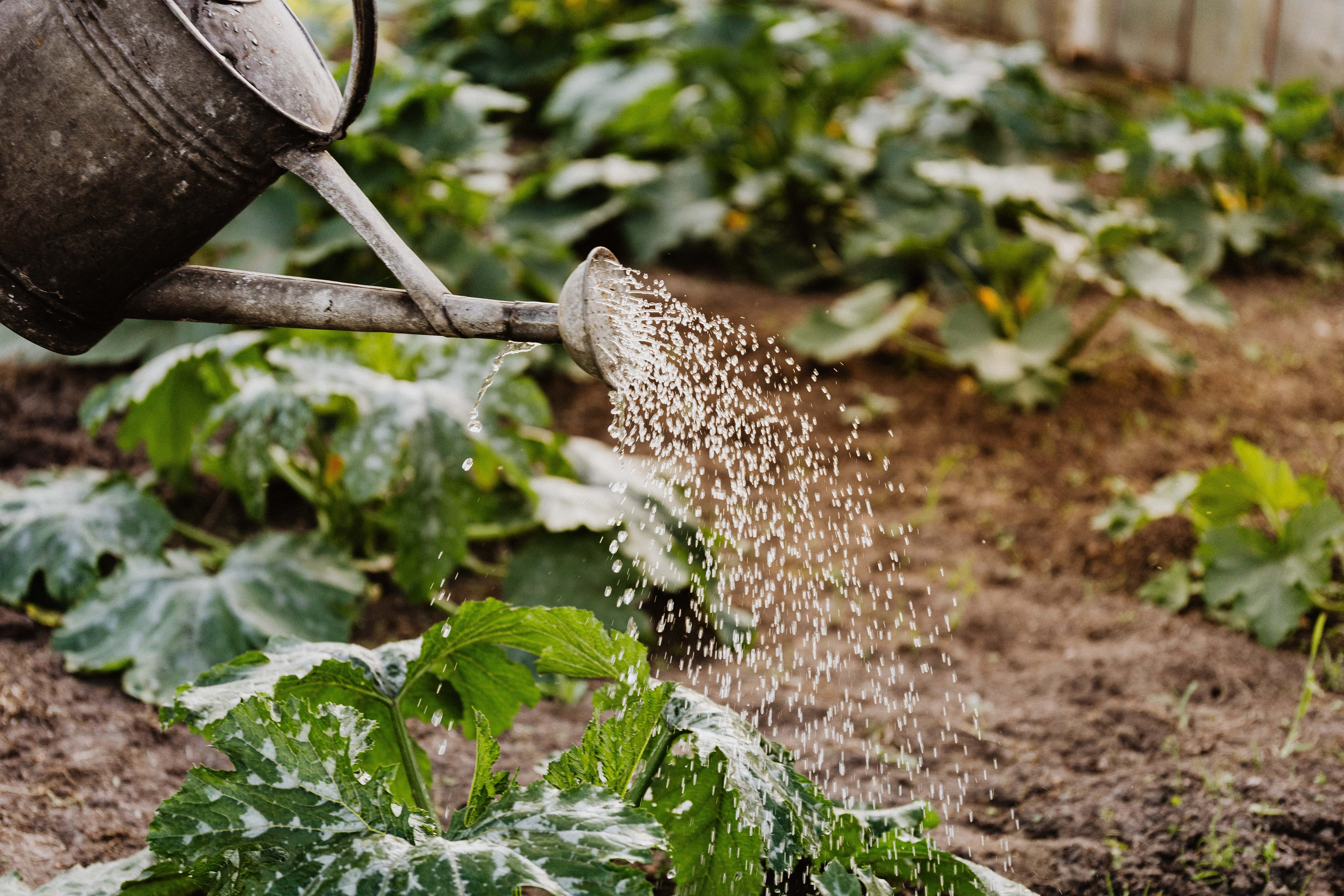
1. Watering
When to Water: Only water your plants when the top inch of soil feels dry to the touch. Avoid overwatering, which can harm your plants.
For Example: Succulents usually need a deep watering once every 1-2 weeks after the soil dries out completely.

2. Sunlight
Light Requirements: Each plant has different light preferences, so understand whether your plant needs full sun, partial sun, or shade.
For Example: Aloe vera prefers bright, indirect sunlight but can tolerate some direct sun.

3. Soil
Choosing the Right Soil: Use well-draining soil that suits your specific plant type.
For Example: Orchids thrive in a loose, well-draining orchid mix that replicates their natural environment.
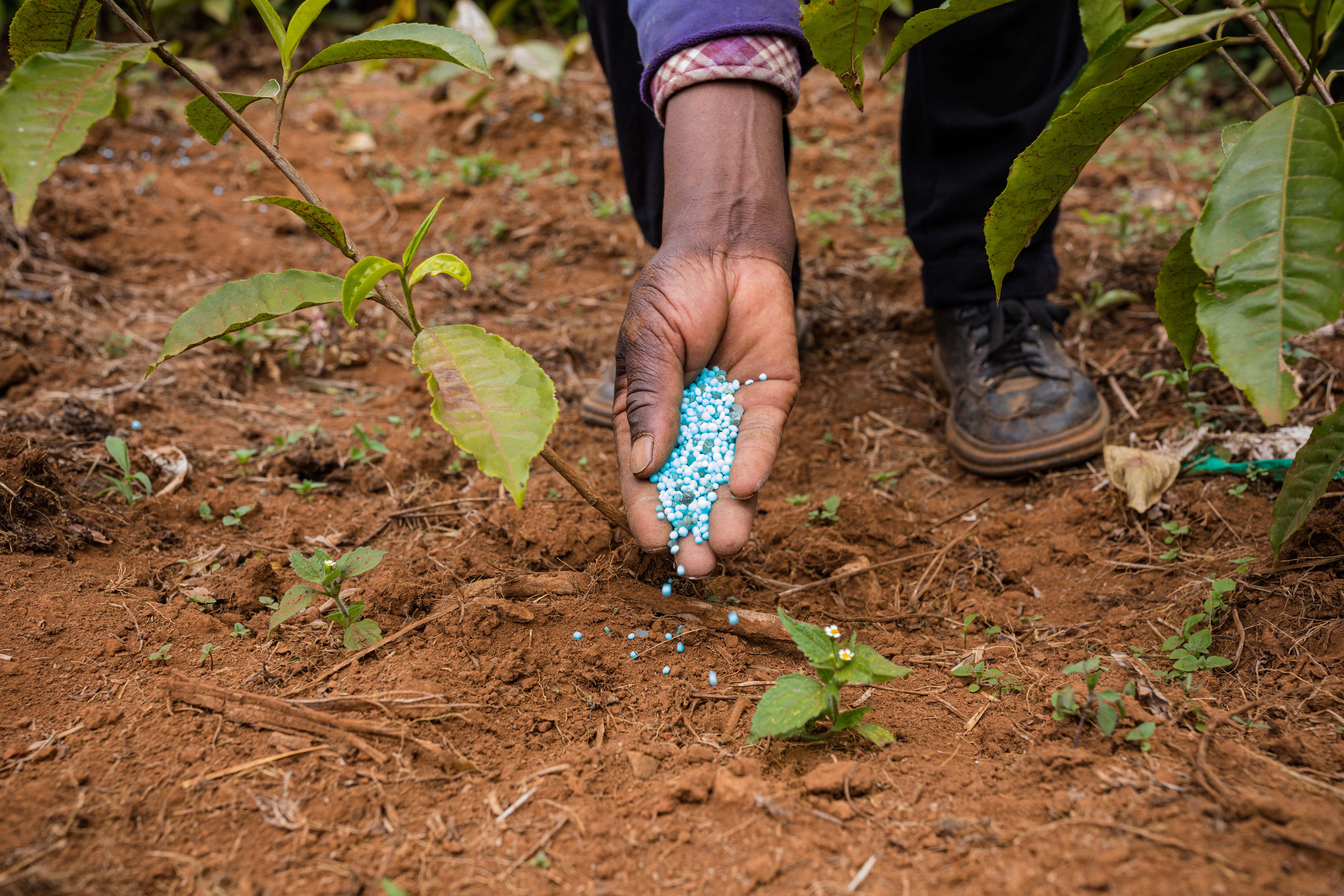
4. Fertilizing
Fertilizing Schedule: Apply balanced liquid fertilizer during the growing season to provide essential nutrients.
For Example: Indoor plants benefit from monthly fertilization during spring and summer.
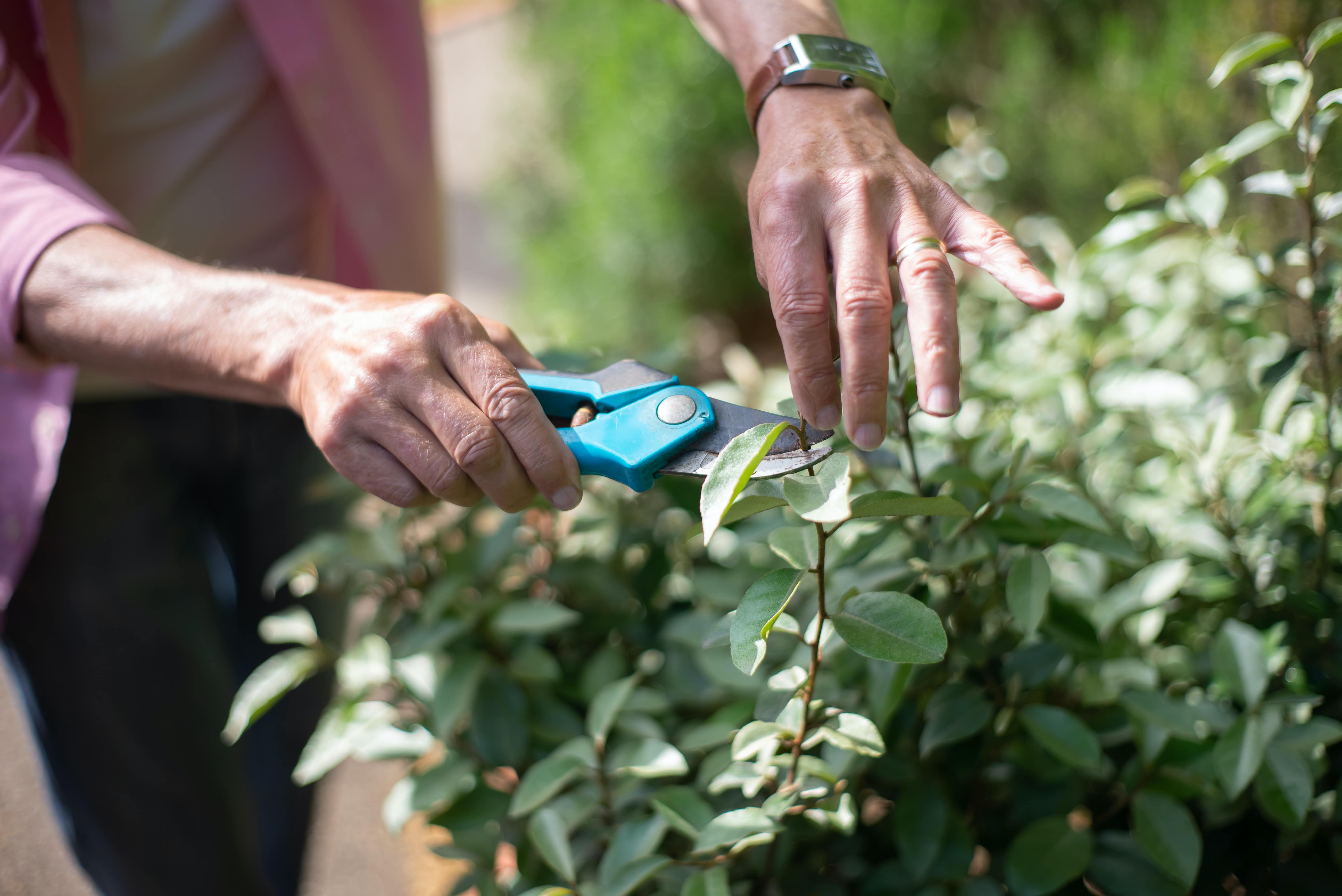
5. Pruning and Trimming
Maintenance: Regularly remove dead or diseased parts to encourage growth and maintain plant shape.
For Example: Trim yellowing leaves to redirect energy toward healthy growth.
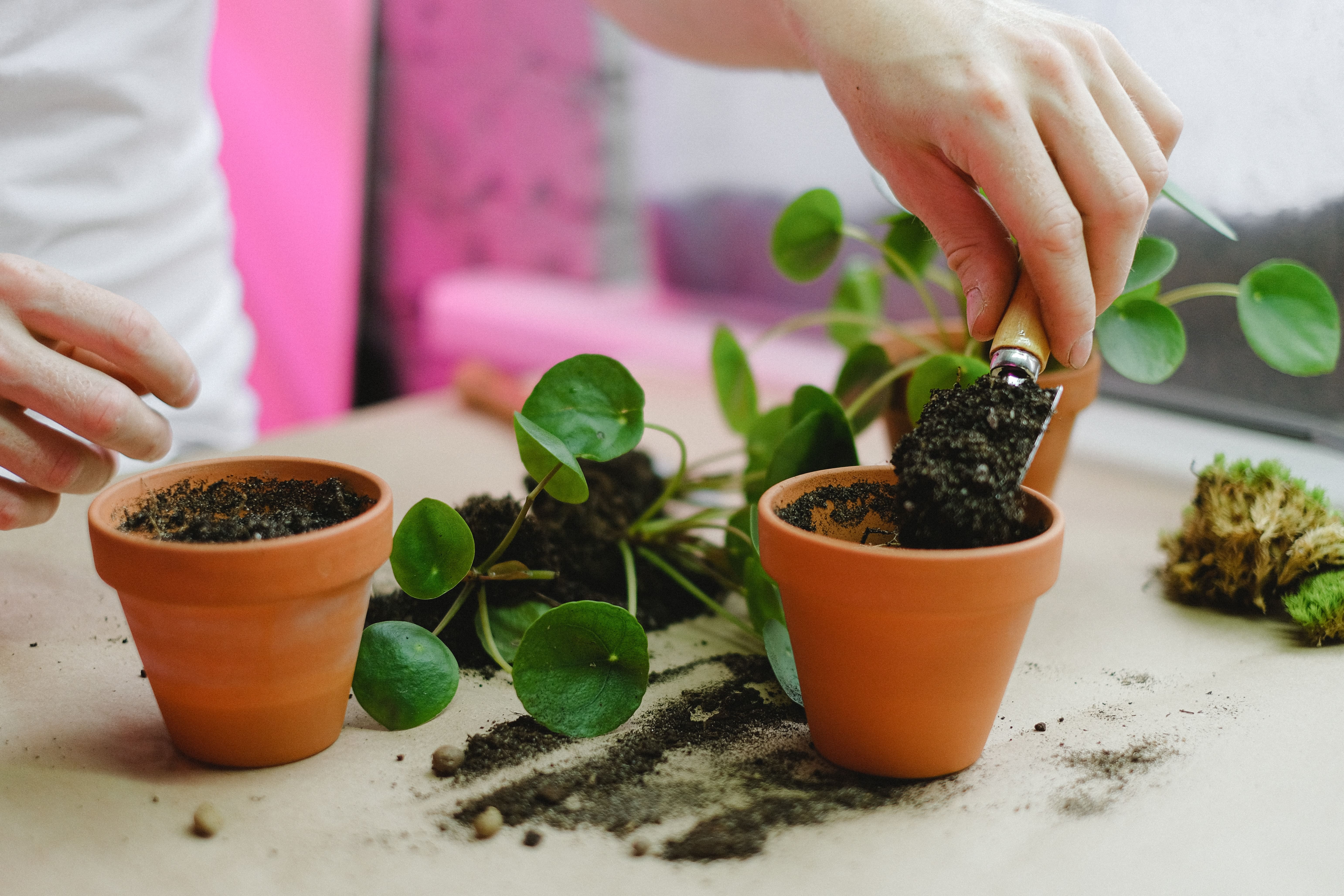
6. Repotting
When to Repot: Repot plants when they outgrow their container or the soil becomes depleted.
For Example: Repot houseplants every 1-2 years or when roots protrude from drainage holes.
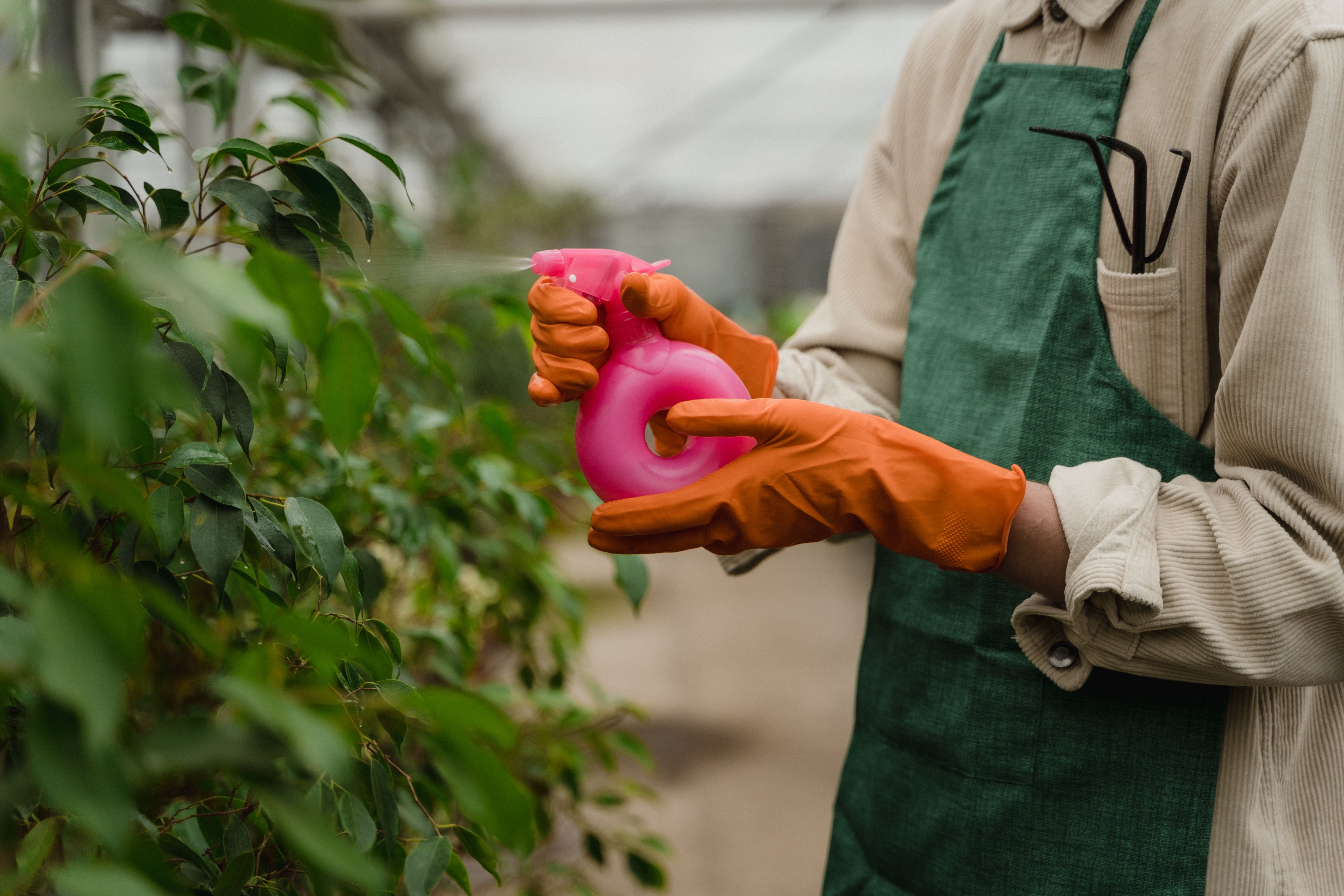
7. Pest and Disease Control
Monitoring: Regularly check for signs of pests or diseases and take prompt action when necessary.
For Example: Use insecticidal soap or neem oil to treat aphids on roses, following manufacturer instructions.

8. Humidity
Adjusting Humidity: Adapt humidity levels as needed, especially for tropical plants.
For Example: Increase humidity for ferns by misting them regularly to prevent leaf browning.